‘Experience’ is becoming a buzzword
You can hit people with a bunch of LED screens during your next product launch and call it an experience, or you can create experiences based on strategic needs to drive actual value.

Sr. Innovation Consultant
Principal Consultant
↳"This is not a product, this is an experience"
↳Qualifying the experience
↳Experiences and expectations
↳Ask ‘why’, ‘where’ and ‘what’
It’s safe to say all brands look to solve strategic problems through innovation — and you might be one of them.
Because of its relevance, the word ‘experience’ will come up in different stages of the innovation process; whether it’s at the stage of imagining something new, or at the stage of designing it.
In this post, we will be focusing on the upstream part of the innovation process: the product and portfolio strategy. This is where you want to start talking about experience. And, it’s where ‘experience’ is in danger of becoming a buzzword.
“This is not a product, this is an experience”
But is it really?
An experience can be anything from ordinary parts of our daily lives, to sensational once-in-a-lifetime events. It’s everything from doing groceries, online or in-store, to visiting Disneyland.
Because experiences can be so many different things, the word in itself is rather empty. If used loosely in strategic conversations, you risk the talk of ‘creating experiences’ becoming a goal that will drive no real value for your product, service, or brand.
Instead of ‘creating an experience’ being a goal for your product strategy on its own, and having your innovation process geared towards it, think of it the other way around. An experience is the outcome of your innovation process. Without clarity and qualification of what kind of experience, and through which channel, you are looking to design, you risk creating just another in a million ordinary events that make up our daily lives.
If experiences are ordinary events, unboxing a product or making a bank transfer won’t be memorable — until someone makes them.
Having clarity on the reasons behind ‘creating an experience’
Memorable, differentiating, engaging. These are some of the words that might have popped into your head when thinking about ‘creating an experience’. And you’re not alone.
You might have thought about creating experiences to regain your brand’s edge, to stand out in a crowded market, or to de-commoditize your product. Just like the creation of any brand, the most basic step in creating experiences is to have clear goals that can guide your design process and innovation strategy.
Qualifying the experience
After clarifying the goals that drive the creation of new experiences, the next step is to qualify what kind of experience and through which channel, we are looking to design. A good starting point is your brand; what kind of emotions do your consumers associate with your brand and how can you elevate them?
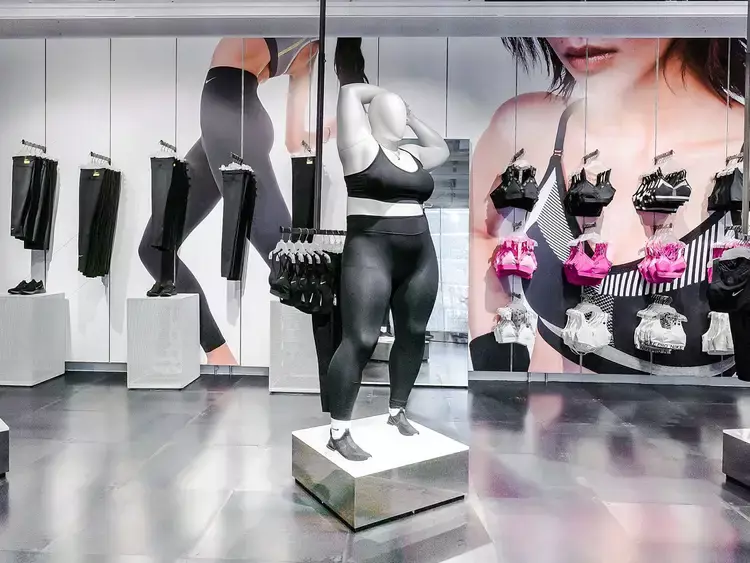
Nike’s House of Innovation flagship stores are, for example, monuments to their brand positioning: “Bring inspiration and innovation to every athlete* in the world (*if you have a body, you are an athlete)”.
But before you start remodeling your store in order to create an immersive experience around your brand, consider if this will actually create value and support your brand.
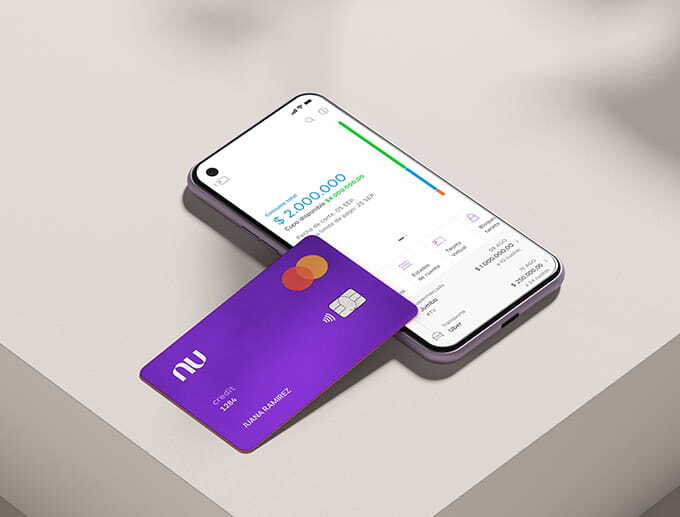
Take for example how the FinTech industry accelerated a shift in banking by transforming a task, expected to be a slow and bureaucratic process, into something we can solve with a few taps on an app. Easy digital banking became a great service experience. Nubank, the fintech that took the latin–american banking market by storm, is proud of its stance on not having one single agency and how this supports their mission of uncomplicating the financial system. What is the point of creating an immersive physical experience if no one wants to go there in the first place?
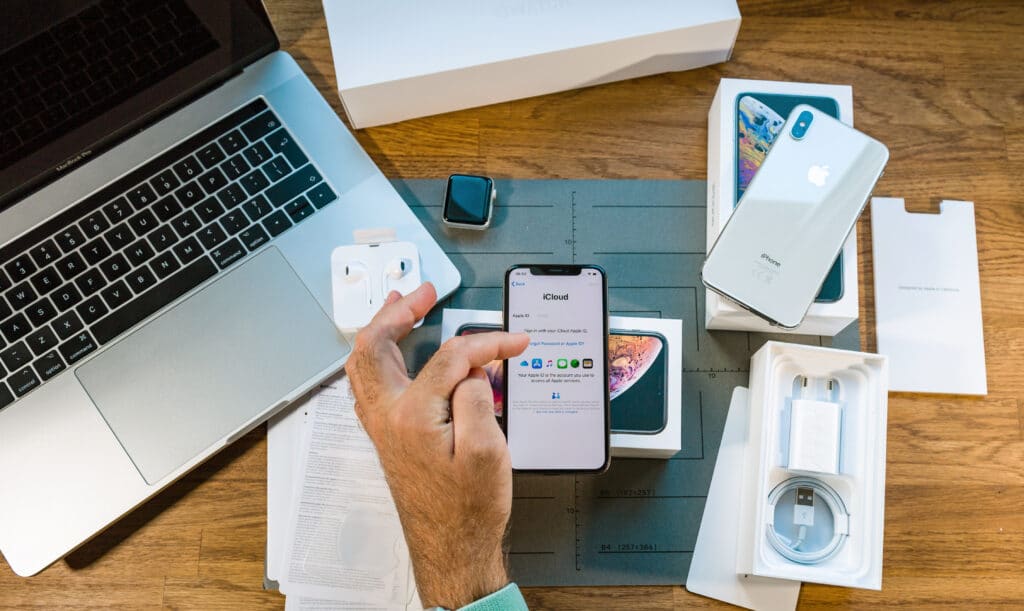
Additionally, memorable experiences can happen in different steps of the consumer journey. Looking past the product itself, let’s think of how Apple introduced their now-famous iPhone packaging. They transformed what we expected to be an ordinary unpackaging into a great unboxing experience, leaving us with a higher perceived value of the iPhone – to the point where we even keep the box for no real reason.
Besides showing how important it is to have clarity on what kind of experience you want to create, these examples illustrate that great experiences always happen through some channel or touchpoint: store experience, in-app experience, unpackaging experience, and so on. Phrases like “it is not a product, it is an experience” or “it is not an event, it is an experience” are very likely smokes and mirrors to hype an ordinary task.
Experiences and expectations
As mentioned, the majority of experiences are ordinary parts of our daily lives. What differentiates great experiences is expectation.
The more we use the word ‘experience’ on its own, the more it becomes more than an innovation challenge. The word ‘experience’ often raises our expectations, driving consumers to expect the extraordinary. And if you fail to deliver this hyped expectation, the entire endeavor will backfire.
The opposite is also true: think about the previous examples of Apple’s iPhone packaging and Nubank’s simplification of banking transactions. Both companies transformed experiences that consumers expected to be either ordinary or even annoying, into memorable ones — not by hyping them up, but by delivering the unexpected.
And of course, if you are trying to deliver what’s unexpected, make sure you’re delivering the basics of consumer expectations first; no one cares about chocolates under the pillow if the sheets are stained.
Ask ‘why’, ‘where’ and ‘what’
No longer used by designers alone, the word ‘experience’ has found its place at a higher strategic level. So next time you think “we need to make it an experience”, challenge yourself by asking: “why are we creating this experience?”, “where, concretely, will this experience take place?” and “what kind of experience do we actually want to create?”
Related posts

Delivering better every day health
The opportunity to revolutionize online shopping