Experimentation and validation are necessary to de-risk your innovation process - but the methods are not bulletproof. Here are 7 pitfalls and how to avoid them.
↳Think measurables
↳Define clear success criteria
↳Don’t rush into it
↳Avoid short-term learning memory
↳Don’t fall in love with your idea
↳Draw a line between business rationale and desirability metrics
↳Avoid force-fitting tools
↳It's go time
Experimentation and validation are necessary to de-risk your innovation process – but the methods are not bulletproof. After collaborating with and running validation for multiple global business leaders, we’ve put together a list of the most common experimentation mistakes and how to avoid them.
Around 80% of startups and corporate innovation projects fail, and what they (very often) have in common is the lack of a market need. Organizations spend long periods of time, investments, and workforce on new products, many times to see them fail just after launch. Before actually launching them, it’s possible to find out which projects are worth pursuing by tracking the right decisions along the way.
How to know you're making the right call
Running validation experiments is a powerful way to navigate the customer jungle when introducing products or services into the market. Targeted experimentation is meant to validate informed assumptions, and provide you with clear future steps. Validating solutions through experimentation isn’t only about finding out whether something works, but it minimizes risk and investment costs as well.
These kinds of experiments fit your solutions to specific market needs. However, there’s a right and a wrong way to make them happen. Lack of engagement, sales deficiency, and not achieving the desirable responses can be a consequence of poor validation. The worst part? You might not be able to pinpoint what went wrong.
Preventing unsuccessful experiments
1. Think measurables
Why we do this
2. Define clear success criteria
3. Don’t rush into it
4. Avoid short-term learning memory
5. Don’t fall in love with your idea
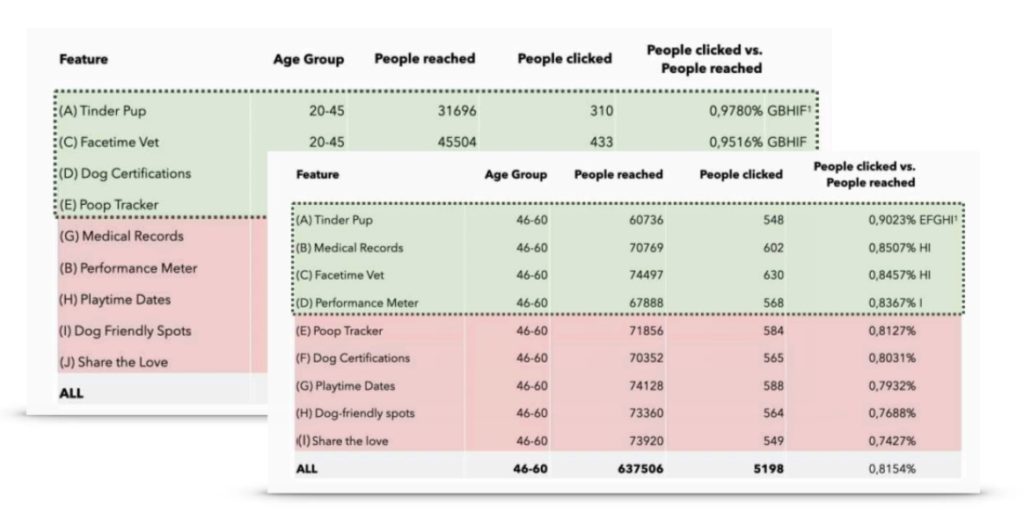
6. Draw a line between business rationale and desirability metrics
7. Avoid force-fitting tools
It's go time
Related posts

Dimensional Design: why we need a new framework for segmentation

Maximizing value of innovation initiatives for asset-heavy industries